Your kitchen is more than just a cooking space – it’s the heart of your home where families gather, meals are prepared with love, and memories are created daily. Choosing the right kitchen laminate is one of the most important decisions in your kitchen design journey, impacting both aesthetics and functionality for years to come.
With countless laminate options available in 2026, making the perfect choice requires understanding materials, finishes, durability factors, and how they align with Indian cooking styles. This comprehensive guide will walk you through everything you need to know to select kitchen laminates that are beautiful, durable, and perfectly suited to your needs.
Why Laminates Are Ideal for Indian Kitchens
Indian kitchens face unique challenges that make high-quality laminates an excellent choice:
High Heat Generation: Multiple daily cooking sessions, pressure cookers, gas stoves, and traditional cooking methods create significant heat exposure
Moisture and Steam: Boiling, steaming, curry preparation, and frequent washing create humid conditions
Oil and Spice Stains: Indian cooking involves generous use of oils, ghee, and powerful spices like turmeric that can stain surfaces
Heavy Daily Usage: Multiple family members using the kitchen throughout the day, often for extended periods
Budget Consciousness: Quality laminates offer premium aesthetics without the premium price of alternatives
Low Maintenance: Critical in busy Indian households where time is precious and cleaning needs to be quick
Premium laminates from Ace Mica are specifically designed to handle these challenges while maintaining beauty for 15-20 years or more.
Understanding Kitchen Laminate Types
1. Standard Decorative Laminates (1mm)
Composition: Multi-layer construction with decorative paper, overlay, and kraft paper core
Thickness: 0.9-1.0mm (marketed as 1mm)
Best Applications:
- Kitchen cabinet shutters and doors
- Drawer fronts
- Interior cabinet shelving
- Pantry units
- Wardrobe interiors
Advantages:
- Extensive design variety
- Good durability for cabinet use
- Cost-effective solution
- Easy installation
- Wide availability
Limitations: Not recommended for direct countertop use in high-heat cooking zones
2. High-Pressure Laminates (HPL)
Composition: Manufactured under extremely high pressure and temperature for superior density
Thickness: 1.0-1.5mm
Best Applications:
- Kitchen countertops
- High-traffic commercial kitchens
- Table tops and work surfaces
- Areas near cooking zones
- Heavy-duty applications
Advantages:
- Exceptional heat resistance (up to 200°C)
- Superior scratch resistance
- Excellent moisture resistance
- Extended durability (20+ years)
- Commercial-grade performance
Considerations: 20-30% higher cost than standard laminates, but worth the investment for countertops
3. Post-Forming Laminates
Composition: Specially formulated to bend smoothly around curves without cracking
Best Applications:
- Curved countertop edges
- Rounded cabinet corners
- Seamless edge finishes
- Contemporary kitchen designs
- Modern, flowing aesthetics
Advantages:
- Smooth, seamless curved edges
- No sharp corners (safer)
- Easy to clean (no dirt traps)
- Contemporary, sophisticated look
Considerations: Requires specialized installation equipment and skilled craftsmen
Critical Factors When Choosing Kitchen Laminates
1. Heat Resistance – Essential for Indian Kitchens
Why It Matters Critically: Indian cooking generates extreme temperatures through gas stoves, pressure cookers, hot oil frying, and continuous cooking sessions.
Minimum Requirements:
- Cabinet surfaces near stove: 180°C minimum
- Countertops: 200°C+ (HPL grade essential)
- Areas directly adjacent to cooking: Commercial-grade heat resistance
- General cabinets: Standard grade adequate
Heat-Resistant Certification: Look for manufacturer specifications clearly stating heat tolerance levels.
Safety Practices (Even with Heat-Resistant Laminates):
- Always use trivets under hot vessels
- Never place hot pressure cookers directly on laminate
- Use heat-resistant mats near cooking areas
- Allow cookware to cool before placing on laminate counters
Ace Mica Advantage: Ace Mica’s kitchen-grade laminates are specifically tested for Indian cooking conditions with superior heat tolerance.
2. Moisture Resistance – Protection Against Humidity
Why It Matters: Steam from pressure cooking, boiling, humidity from wet areas, and frequent water exposure can damage inadequately protected laminates.
What to Look For:
- Moisture-resistant core material
- Properly sealed edges with edge banding
- Kitchen-grade certification
- Water-repellent surface coating
Edge Sealing Importance: Even the best moisture-resistant laminate will fail if edges aren’t properly sealed. Edge banding is non-negotiable.
Installation Critical: Ensure all exposed edges receive proper edge band treatment immediately during installation.
Regional Considerations:
- Coastal Areas (Mumbai, Chennai, Goa): Extra moisture resistance essential
- Humid Climates (Kerala, Bengal): Choose premium moisture-resistant grades
- Dry Climates (Rajasthan, Delhi): Standard grades adequate with proper sealing
3. Stain Resistance – Defense Against Indian Spices
Why It Matters: Oil splatters, turmeric stains, curry spills, and food residues are daily realities in Indian kitchens.
Features to Prioritize:
- Non-porous surface finish
- Stain-resistant coating
- Easy-to-clean surface
- Matte or textured finishes (hide stains better than high-gloss)
Immediate Cleaning: No laminate is completely stain-proof. Clean spills immediately, especially:
- Turmeric and curry
- Tomato-based sauces
- Oil and ghee
- Acidic substances (lemon, tamarind)
Finish Selection: Matte and semi-gloss finishes are more forgiving of stains than high-gloss surfaces.
4. Scratch and Abrasion Resistance
Why It Matters: Daily utensil use, cleaning, dragging items, and normal kitchen activities cause surface wear over time.
Quality Indicators:
- Abrasion-resistant overlay
- Textured finishes hide minor scratches
- Minimum 1mm thickness for cabinets
- Premium brand quality (like Ace Mica)
Protective Practices:
- Use cutting boards (never cut directly on laminate)
- Lift items rather than dragging
- Avoid harsh scrubbing pads
- Use soft microfiber cloths for cleaning
Reality Check: No laminate is completely scratch-proof. Choose quality materials and practice good habits.
5. Easy Maintenance – Essential for Busy Kitchens
Why It Matters: Indian kitchens require daily cleaning, and maintenance should be simple and quick.
Ideal Features:
- Smooth, non-porous surface
- Stain-resistant properties
- No special cleaning products required
- Simple soap and water cleaning
- Quick wipe-down capability
Finish Comparison:
- Matte: Hides fingerprints and minor marks, slightly more cleaning effort
- Semi-Gloss: Balance of easy cleaning and forgiving appearance
- High-Gloss: Easiest to wipe clean but shows every mark
Best Laminate Finishes for Different Kitchen Areas
Kitchen Cabinets – The Foundation
Recommended Finishes:
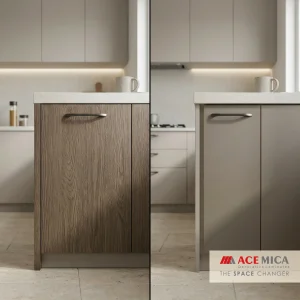
- Matte Finish: Hides fingerprints, scratches, and daily wear exceptionally well
- Textured Wood Grains: Adds character and depth while hiding imperfections
- Soft Sheen (Semi-Gloss): Perfect balance between matte and gloss
Popular Color Choices for 2026:
- Warm Woods: Walnut, teak, natural oak
- Classic Neutrals: Soft white, warm cream, beige
- Contemporary Greys: Warm grey, charcoal, slate
- Two-Tone Combinations: Dark lower cabinets with light uppers (trending)
Why These Work Best: Cabinet laminates must look sophisticated while hiding everyday wear and tear from constant use.
Kitchen Countertops – Durability Meets Beauty
Recommended Materials:
- High-Pressure Laminates (HPL): Non-negotiable for Indian kitchens
- Marble or Stone Effects: Luxurious appearance, practical maintenance
- Solid Dark Colors: Effectively hide stains and water marks
- Textured Finishes: Better grip, hides imperfections
Popular Choices:
- White Marble Effect: Classic, timeless, brightens space
- Black/Dark Granite Look: Dramatic, excellent for hiding stains
- Concrete Effect: Contemporary, industrial-chic aesthetic
- Solid Neutrals: Versatile, easy to match with changing décor
Critical Requirement: Always select countertop-grade HPL laminates specifically designed for work surface applications with maximum heat and moisture resistance.
Kitchen Backsplash – Style Meets Function
Recommended Finishes:
- High-Gloss: Extremely easy to wipe clean (grease wipes off easily)
- Stone or Tile Effects: Adds visual interest and texture
- Geometric Patterns: Modern, trendy, eye-catching
- Solid Colors: Clean, minimalist aesthetic
Popular Designs:
- Subway Tile Effect: Classic, timeless pattern
- Moroccan Patterns: Colorful, artistic, traditional
- Marble Veining: Coordinates with marble countertops
- Bold Solid Colors: Statement-making accent
Practical Advantage: Laminate backsplashes are significantly easier and faster to install than ceramic tiles, with no grout lines to clean.
Kitchen Islands – Statement Pieces
Recommended Finishes:
- Contrasting Colors: Make the island a focal point
- Premium Wood Grains: Add warmth and sophistication
- Metallic Accents: Modern, glamorous touch
- Bold Solid Colors: Create visual interest
Design Strategy: Use a different laminate finish on your island than your main cabinets to create visual separation and interest.
Top Kitchen Laminate Colors and Designs for 2026
1. Classic White Oak – Light and Airy
Why It’s Popular: Creates spacious feeling, reflects light beautifully, timeless appeal
Best Combinations:
- White or grey marble-effect countertops
- Stainless steel appliances
- Brass, black, or brushed nickel hardware
Kitchen Style: Scandinavian, modern, contemporary, minimalist
Ideal For: Small kitchens, apartments, spaces with limited natural light
2. Rich Walnut – Sophisticated Warmth
Why It’s Popular: Luxurious, warm, creates premium aesthetic
Best Combinations:
- White or cream marble-effect countertops
- Cream or beige walls
- Gold, bronze, or brass hardware
Kitchen Style: Traditional, transitional, luxury contemporary
Ideal For: Large kitchens, traditional homes, premium projects
3. Matte Black – Bold Statement
Why It’s Popular: Dramatic, modern, ultra-contemporary
Best Combinations:
- White countertops for maximum contrast
- Metallic accents (gold, copper, brass)
- Open shelving with white dishware
Kitchen Style: Contemporary, industrial, minimalist
Ideal For: Modern homes, bold design enthusiasts, statement kitchens
4. Soft Grey – Versatile Elegance
Why It’s Popular: Sophisticated, calming, extremely versatile
Best Combinations:
- White or grey marble countertops
- Stainless steel appliances
- Chrome or brushed nickel hardware
Kitchen Style: Contemporary, transitional, modern farmhouse
Ideal For: Any kitchen style, works with multiple design aesthetics
5. Two-Tone Combinations – Dynamic Interest
Why It’s Popular: Adds depth, defines zones, creates visual interest without overwhelming
Popular Combinations:
- Navy blue lower + white upper cabinets
- Walnut base + white oak uppers
- Dark grey lower + soft cream upper
- Sage green lower + natural wood upper
Kitchen Style: Modern, eclectic, transitional, contemporary
Ideal For: Medium to large kitchens, open-plan layouts
Small Kitchen Design Tips with Laminates
Creating the Illusion of Space
Color Strategy:
- Use Light Colors: White, cream, light wood laminates reflect light
- High-Gloss Finishes: Reflective surfaces create depth
- Vertical Wood Grains: Draw the eye upward, add perceived height
- Uniform Color Scheme: Same laminate on all cabinets creates cohesion
Maximizing Storage with Smart Design
Design Elements:
- Full-Height Cabinets: Use laminates that emphasize vertical lines
- Handleless Designs: Sleek laminate cabinets with push-to-open mechanisms save visual space
- Light Interior Colors: Light-colored laminates inside cabinets make contents more visible
- Reflective Backsplash: High-gloss laminate backsplash bounces light around
Optimal Color Choices for Compact Kitchens
Best Choices:
- White oak wood finish
- Light grey solid colors
- Soft white
- Pale pastels (mint, blush, sky blue)
Avoid:
- Dark colors throughout (unless excellent lighting)
- Heavy patterns
- Too many contrasting colors
Smart Strategy: Use darker laminates only on lower cabinets to anchor the space while keeping uppers light.
Modular Kitchen Laminate Planning
Standard Dimensions and Planning
Base Cabinets:
- Height: 34-36 inches
- Depth: 24 inches
- Width: Variable (18″, 24″, 30″, 36″)
Wall Cabinets:
- Height: 30-42 inches
- Depth: 12-15 inches
- Width: Matches base units
Laminate Sheet Sizing:
- Standard size: 8 feet × 4 feet
- Calculate requirements based on cabinet dimensions
- Add 10-15% extra for wastage and mistakes
Cost Estimation for Kitchen Laminates (2026)
Per Square Foot Pricing:
- Standard 1mm Laminates: ₹120-200 per sq ft
- Premium Designer Laminates: ₹200-350 per sq ft
- High-Gloss Specialty: ₹180-300 per sq ft
- HPL Countertop Grade: ₹250-450 per sq ft
Sample 10×10 Kitchen Budget:
- Cabinet laminates: ₹15,000-25,000
- Countertop laminates (HPL): ₹10,000-18,000
- Backsplash laminates: ₹5,000-8,000
- Edge banding: ₹2,000-4,000
- Professional installation: ₹6,000-12,000
- Total Estimate: ₹38,000-67,000
Prices vary by location, specific products selected, and installation complexity
Installation Excellence
Pre-Installation Essentials
Preparation Checklist:
- [ ] Acclimate laminates in kitchen for 48 hours minimum
- [ ] Verify substrate (plywood/MDF) is dry and perfectly level
- [ ] Check for any moisture or structural issues
- [ ] Plan layout to minimize visible seams
- [ ] Ensure adequate ventilation during installation
Professional vs. DIY Installation
Hire Professionals For:
- Complex kitchen layouts
- Expensive, premium laminates
- HPL countertop installation
- Post-forming or curved applications
- Limited DIY experience
DIY Might Work For:
- Simple cabinet refacing
- Straight, simple applications
- Strong carpentry skills
- Budget constraints with time availability
- Non-critical, practice areas
Investment Perspective: Professional installation typically costs 15-20% of material cost but ensures longevity, proper finish, and warranty protection. Usually worth the investment.
Edge Banding – Critical for Longevity
Why It’s Essential:
- Prevents moisture ingress at vulnerable edges
- Creates professional, finished appearance
- Protects laminate edges from damage
- Significantly extends laminate lifespan
Edge Banding Types:
- PVC Edge Bands: Most common, cost-effective, good durability
- ABS Edge Bands: More durable than PVC, better impact resistance
- Acrylic Edge Bands: High-gloss finishes, premium aesthetic
- Veneer Edge Bands: Natural wood appearance
Critical Rule: Edge banding color must exactly match laminate for seamless, professional appearance.
Maintenance Guide for Kitchen Laminates
Daily Care Routine
Essential Practices:
- Wipe spills immediately (especially turmeric, oil, curry)
- Use soft, damp cloth for cleaning
- Dry all surfaces after cleaning
- Use cutting boards for food preparation
- Place trivets under hot vessels and cookware
Avoid These:
- Abrasive scrubbing pads or steel wool
- Harsh chemical cleaners or bleach
- Excessive water or soaking
- Placing hot pots/pans directly on surface
- Dragging heavy appliances
Weekly Deep Cleaning
Recommended Solution:
- Mix mild dish soap with warm water
- Dampen soft microfiber cloth (don’t saturate)
- Wipe in direction of wood grain (for wood finishes)
- Dry immediately with clean, dry cloth
- Use laminate-specific polish monthly (optional)
Stain Removal Techniques
Oil and Grease Stains:
- Make paste: 3 parts baking soda, 1 part water
- Apply to stain, let sit 10-15 minutes
- Gently rub with soft cloth
- Wipe clean with damp cloth
- Dry thoroughly
Turmeric Stains (The Indian Kitchen Challenge):
- Immediate cleanup is crucial
- Baking soda paste application
- Let sit 20-30 minutes
- Gentle scrubbing
- Rinse and dry thoroughly
Stubborn Stains:
- Use isopropyl alcohol (70-90%) on cotton ball
- Test in hidden area first
- Gently dab, don’t rub aggressively
- Wipe clean immediately
- Dry completely
Common Kitchen Laminate Mistakes to Avoid
Mistake #1: Choosing Style Over Functionality
The Problem: Selecting beautiful high-gloss white laminates for a busy family kitchen with young children
Why It’s Wrong: Shows every fingerprint, requires constant cleaning, impractical for real-life use
Better Choice: Matte or textured laminates in medium tones that hide daily use
Mistake #2: Inadequate Heat Resistance
The Problem: Using standard decorative laminates for countertops near gas stoves
Why It’s Wrong: Risk of heat damage, warping, discoloration, shortened lifespan
Better Choice: HPL-grade laminates specifically rated for countertop use with appropriate heat resistance
Mistake #3: Mismatched Edge Banding
The Problem: Using different color edge banding than the laminate surface
Why It’s Wrong: Creates unprofessional appearance, visible color lines detract from aesthetics
Better Choice: Always match edge banding exactly to laminate color for seamless finish
Mistake #4: Improper Edge Sealing
The Problem: Leaving exposed edges or gaps unsealed
Why It’s Wrong: Allows moisture ingress leading to swelling, peeling, permanent damage
Better Choice: Properly seal all edges with quality edge banding or appropriate sealant
Mistake #5: Wrong Cleaning Products
The Problem: Using bleach, acetone, or harsh abrasive cleaners
Why It’s Wrong: Damages laminate surface, causes discoloration, removes protective coating
Better Choice: Stick to mild soap and water, laminate-specific gentle cleaners
Conclusion
Choosing the perfect kitchen laminate requires balancing aesthetics with functionality, personal style with practical needs, and budget with quality expectations. For Indian kitchens specifically, prioritizing heat resistance, moisture protection, and stain resistance is non-negotiable.
Essential Takeaways:
- Invest in Quality: Kitchen laminates face intense daily use; choose premium brands like Ace Mica
- Match Application to Grade: Use HPL for countertops, standard 1mm for cabinets
- Prioritize Functionality: Heat and moisture resistance outweigh trendy aesthetics
- Professional Installation: Proper installation ensures decades of performance
- Regular Maintenance: Simple daily care prevents major problems
Whether you’re designing a new modular kitchen or renovating your existing space, the right laminate choice will serve you faithfully for 15-20 years. Take time to visit showrooms, see colors in different lighting, feel textures, and consult with experts.
Ready to choose the perfect kitchen laminates?
Visit Ace Mica showrooms to:
- Explore the complete kitchen laminate collection
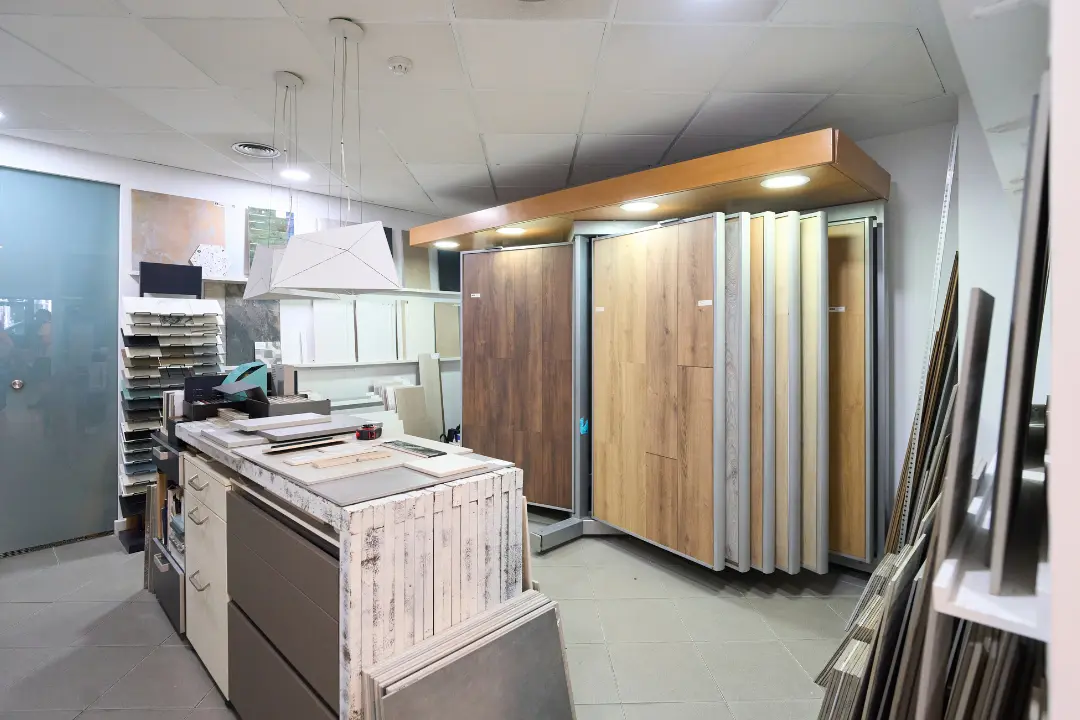
- See actual installations and sample boards
- Get expert guidance on heat and moisture resistance
- Receive personalized recommendations
- Access complete kitchen design support
Contact Ace Mica:
- Website: www.acemica.com
- Browse kitchen-specific catalogues
- Connect with kitchen design experts
- Find showrooms in Ahmedabad, Surat, and Bangalore
About Ace Mica Kitchen Solutions
Ace Mica specializes in kitchen-grade laminates designed specifically for Indian cooking conditions. Our kitchen collection includes heat-resistant laminates, moisture-resistant options, easy-clean finishes, matching edge bands, and complete kitchen solutions backed by decades of manufacturing expertise.